


As sustainability becomes a central focus for consumers and commercial enterprises across Australia, businesses are under increasing pressure to re-examine their environmental impact. In addition to satisfying the needs of corporate social responsibility, implementing good waste management practices can help companies save on operating costs, meet changing state environmental laws, and enhance customer satisfaction. Commercial waste management is an opportunity to proactively increase resource recovery rates and play a part in realizing a circular economy.
Conduct a Comprehensive Commercial Waste Audit
A business will not be able to implement new operational policies if they don’t know what kinds of waste are being produced and how much of it is generated every day. A comprehensive waste audit consists of monitoring waste in each of the departments for a specific duration.
This assessment identifies major sources of waste, such as excessive cardboard packaging in delivery bays, discarded office paper, or single-use food containers in staff lunchrooms. Identifying these areas enables managers to have reasonable target goals and select collections infrastructure in a purposeful manner, based on their operating requirements.
Partner with Dedicated Commercial Waste Collectors
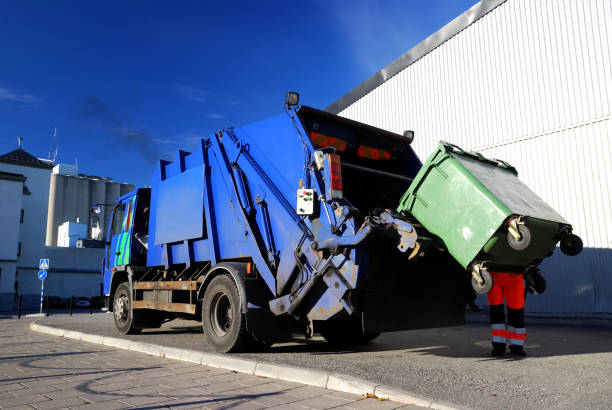
Most waste management systems are generic and waste valuable materials for recycling directly into the landfill. Organizations should work with specific recycling partners that provide specialized bins, tailored collection schedules and get the best out of resources.
Working with experienced commercial providers like AB Recycling allows businesses to streamline the disposal of high-volume materials like paper and cardboard without contractual complications. Reliable collection services enable commercial waste is sorted efficiently for processing, helping to stop local environmental degradation and to make it usable again in manufacturing supply chains.
Establish Clear Sorting Systems Across All Workspaces
The most effective recycling program is worthless if employees are not given clear and easy directions. Install color-coded, well-marked bins in strategic areas around the work place, including by the printer stations, break rooms, and receiving docks.
Keeping general waste bins next to the recycling bins helps to avoid cross-contamination, where non-recyclable materials are put with clean materials. Simple diagrams on the visual signage make it easier for employees to quickly find their way to the right place, resulting in collected materials remaining clean and easy to process.
Educate and Engage Employees on Green Best Practices
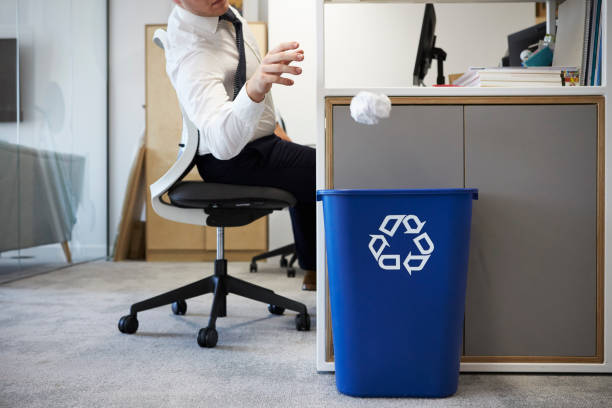
Collective team effort is essential to waste reduction success. Regularly remind employees on safe disposal methods and why clean sorting is important for the environment and the business.
Focusing on a brief orientation program for new employees, regular sustainability newsletters, and establishing internal green representatives foster a positive culture of working towards sustainability. The key is to foster a spirit of healthy rivalry among departments or to mark significant achievements, thereby sustaining the passion and instilling positive routines among all employees.
Target Packaging Reduction in the Supply Chain
An important part of managing internal waste is also managing at the source, but waste management at the source offers even more long-term environmental benefits. Businesses should engage with their supply chain to seek sustainable, less or no packaging or reusable packaging options.
Consider using unbleached cardboard boxes, bulk shipments, and eliminating hard-to-recycle plastic wraps to significantly reduce the amount of waste going into the facility. Businesses can collaborate with vendor partners to remove all unnecessary packaging, making internal sorting easier and cutting down on waste disposal expenses.
Conclusion
Improving recycling practices is a practical and rewarding process for Australian businesses of any size. Companies can make a measurable environmental difference through regular waste audits, in collaboration with special material collectors, by installing user-friendly sorting stations, and by educating staff. These simple actions result in efficient day-to-day operations that will preserve Australia’s natural environment for generations to come.