


Understanding Holistic Health & Wellness
Holistic health and wellness focuses on treating the whole person: body, mind and spirit. A wide range of practices are used, such as nutrition, physical exercise and stress-relief, as well as alternative health practices like massage, meditation, herbs, homeopathy and acupuncture. A growing interest in natural and integrative health has led to a huge increase of interest in holistic wellness courses. International holistic health and wellness accredited courses provide graduates with a wide range of different effective modalities to help inform and enable them to promote health and wellness.
Benefits of Accreditation
Many of the holistic health courses and training programs are offered by institutions which are accredited. This means that the course content has been reviewed by external bodies to ensure that the highest standards of education are being met. This also means that once you have completed your studies, you will have gained enough experience and knowledge to gain employment as a practitioner in holistic health, or as the case may be, go on to set up your own practice.

What to Expect From These Courses
The variety of practices studied for holistic health & wellness are many and diverse and Holistic Health and Wellness Courses, like those listed on this great website, cover the range of alternative health practices that can be very useful in treating and preventing illness. Many of the practices listed above are now mainstream and used by millions of people throughout the world and this is because of the realization that conventional approaches to health are not always effective and many people are now looking for alternative health solutions to a range of health problems.
Types of Holistic Health Practices Covered
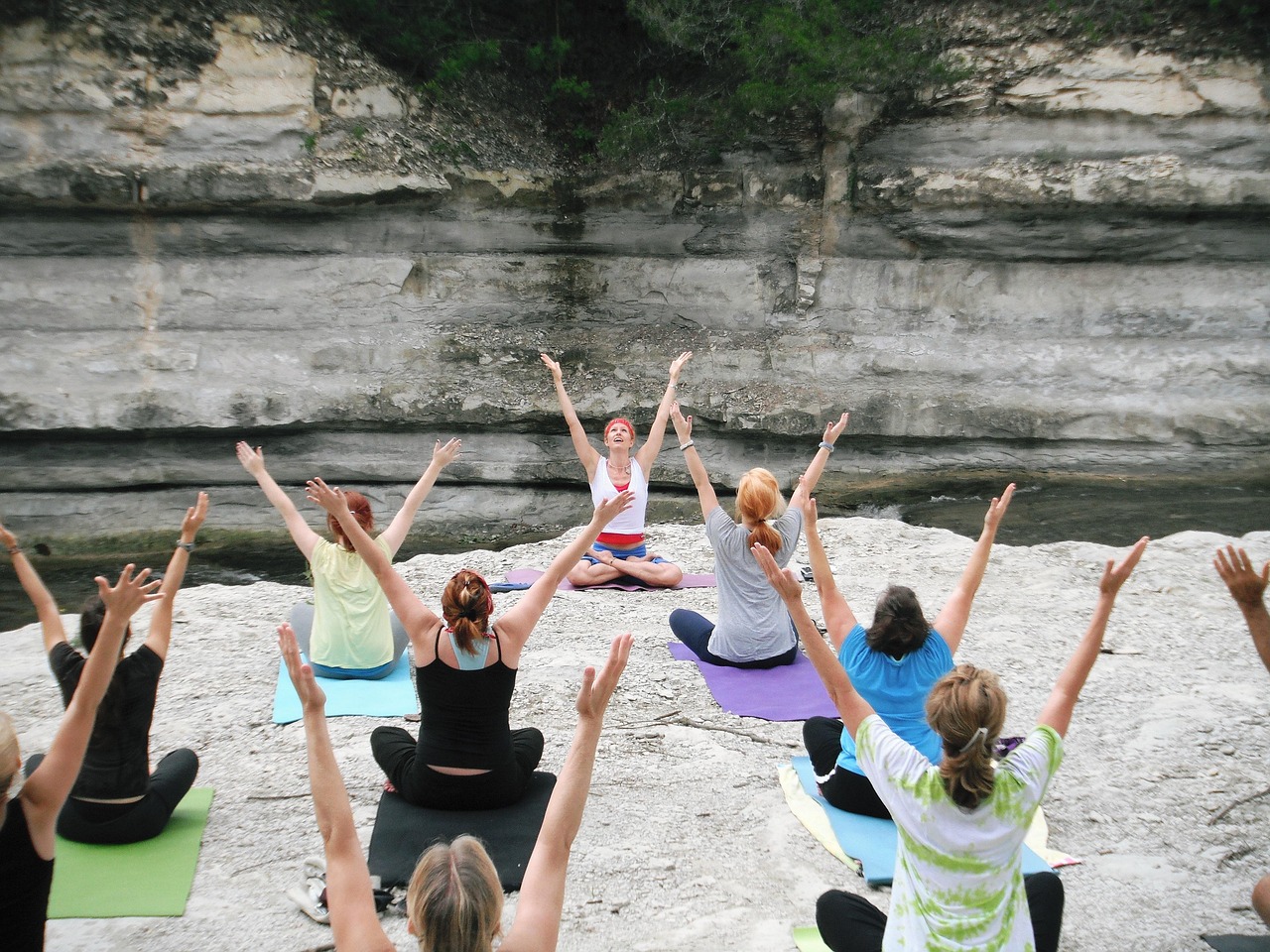
Many holistic health courses cover a wide variety of alternative health practices such as aromatherapy, yoga, life coaching, acupuncture and more. By studying these holistic health modalities students can develop skills to treat a variety of health problems and create a holistic health practice that suits their personal health philosophy. This means that students can develop a practice that can help treat a variety of physical and mental health problems.
Career Opportunities in Holistic Health
Graduates can work as wellness coaches, herbalists, nutrition consultants or yoga teachers. Many also go the entrepreneurial route and establish their own practices or centers for holistic health. There is also growing scope for holistic practitioners to work within the conventional healthcare system. Not only can they find rewarding careers, but they can also use their knowledge to improve their own health.
Getting Started on Your Holistic Journey
There are a number of different programs available that teach holistic health and wellness, so do lots of research before deciding which one is best for you. Look at what other people have said about their experience of the course in reviews, and ask current students and past graduates of the course lots of questions. You can find out lots of information about the courses themselves, the instructors, and the potential for finding a job as a graduate of the course. The holistic health field offers the possibility of personal growth, and of helping others to grow and become healthier in body, mind and spirit.